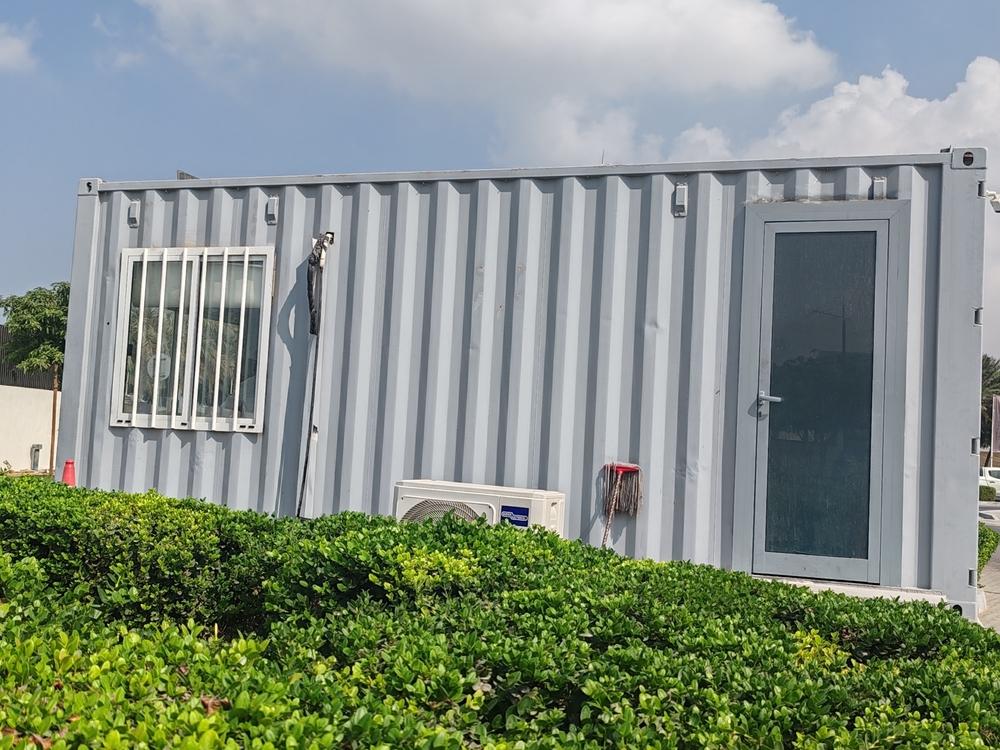
Modern construction and industrial operations demand constant workspace efficiency. These space requirements tend to shift with each project, meaning that flexibility is key to an appropriate working environment. Whether for site administration, staff coordination or operational planning, office cabins provide a practical and adaptable solution for temporary and long-term use.
However, choosing between a temporary rental and a permanent purchase depends on your project timeline, operational needs and long-term business plans. While both options provide functional on-site workspaces, they differ in terms of scalability, cost commitment and long-term value. By evaluating these factors carefully, businesses can determine which solution best supports productivity while remaining cost-effective.
Determining the Intended Use of Your Workspace
Understanding the intended application of your workspace is the most logical starting point for your selection process. You will likely need to understand whether your needs are transitional or fixed.
Temporary Solutions
Temporary office cabins are designed for flexibility and mobility, making them suitable for projects that require fast setup and easy relocation. They are commonly used for:
- Construction Site Offices
These units provide a practical on-site workspace for project managers, supervisors and administrative staff throughout the duration of a project.
- Temporary Operational Support
These containers are useful for businesses requiring additional workspace during renovation works, peak operational periods or short-term projects.
- Event or Infrastructure Projects
Offers a convenient administrative base for temporary projects, installations or field operations.
Once the project is completed, the units can be removed or relocated to another site, helping businesses avoid long-term space commitments.
Permanent Solutions
Permanent office cabins are intended for long-term use in a fixed location. They are suitable for businesses that require a durable and consistent workspace as part of their ongoing operations. Common applications include:
- Factory and Warehouse Offices
These are frequently used to add consistent office space to manufacturing plants or warehouses.
- Guardhouses and Security Posts
Provides a long-term operational base for security personnel at commercial or industrial premises.
- Site Offices for Long-Term Developments
Suitable for large-scale developments or facilities that require continuous on-site management over several years.
These units offer greater long-term stability and can be integrated more permanently into the overall layout and operations of a site.
Flexibility vs Longevity
The choice between temporary and permanent modular offices often comes down to how much you value mobility versus long-term durability. Both options serve distinct business needs based on your operational environment.
Temporary Modular Offices
If your priority is adaptability, temporary modular offices are the ideal solution. These units are designed for rapid deployment and can be relocated or modified with ease to accommodate shifting business demands.
- Relocatable Workspace
They are perfect for businesses moving between project sites or managing seasonal workloads, as they can be transported quickly with minimal disruption.
- Faster Deployment
Units can be delivered and installed quickly, helping businesses establish on-site operations with minimal delay.
- Operational Flexibility
Businesses can scale workspace requirements up or down depending on manpower needs and project phases.
Permanent Modular Offices
Permanent modular offices are designed for businesses that have settled into a fixed location and require a sense of stability. Unlike their temporary counterparts, these structures are integrated into the land and are not intended for relocation once established.
- Structural Strength
These buildings are constructed with high-quality, robust materials designed to withstand many years of continuous use.
- Long-Term Reliability
They provide a safe, high-performance environment that functions exactly like a traditional site-built structure, offering superior longevity.
- Infrastructure Integration
Because they are immovable, they become a permanent asset that adds long-term value to your property and operations.
Cost Analysis: Initial Outlay vs Long-Term Value
Financial planning for a new workspace involves more than just the price; it requires a look at the total cost of ownership.
Short-Term Costs
Temporary cabins generally offer a lower entry point. Whether through a short-term rental or a lower-tier purchase, the financial commitment is smaller. This allows businesses to remain agile and avoid tying up large amounts of capital in fixed assets.
Long-Term Investment
A permanent cabin represents a capital investment. While the initial cost is higher due to foundation work and utility integration, the long-term value is significant. These structures often appreciate in utility and can be a more cost-effective solution over a 10–20 year period compared to recurring rental fees.
Installation and Compliance
The logistical requirements for setting up your workspace differ significantly depending on the type of structure you choose.
Rapid Deployment
For projects requiring an immediate workspace, temporary modular units are an excellent choice. Designed for speed and convenience, they offer the most efficient solution for urgent operational needs. Because these units are typically pre-configured and require minimal site preparation, a functional office can be delivered, installed and fully operational in less than a week.
Permanent Structures
Permanent buildings require a more involved installation process to ensure they are fully integrated into the property. This typically involves significant groundwork, including pouring concrete foundations and establishing permanent utility hookups for water, electricity and sewage. While the initial setup is more demanding, it results in a structure that is unified with your existing facilities and provides a professional, enduring workspace.
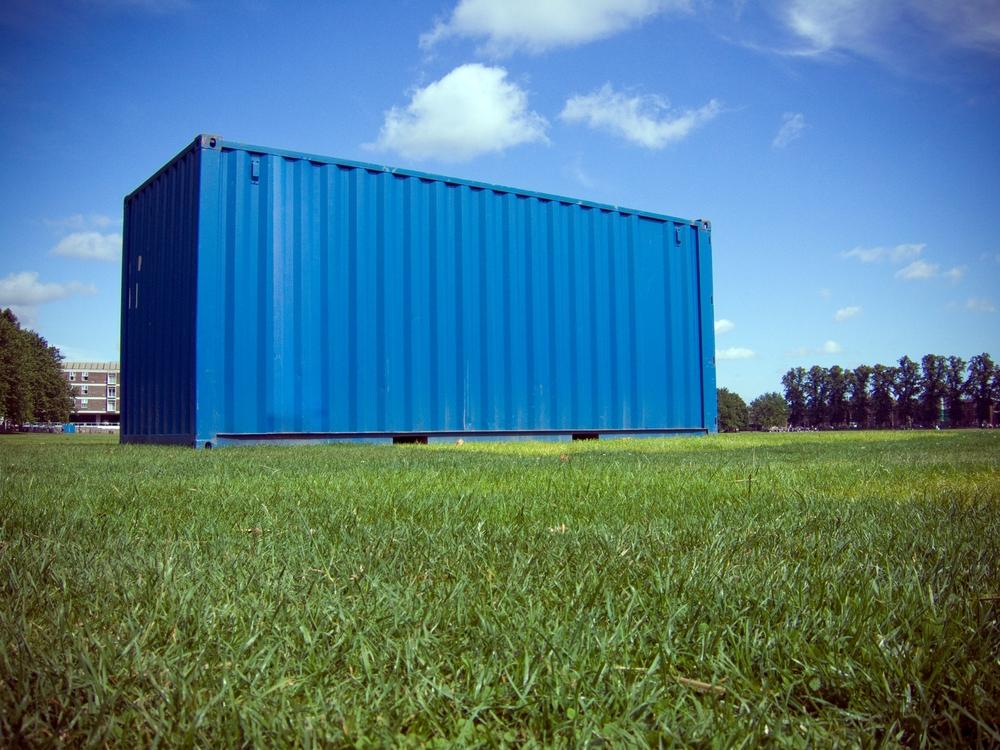
Choosing the Right Office Cabin for Your Operations
The decision between a temporary and permanent office cabin installation ultimately depends on how your business operates, the duration of your projects and the level of flexibility you require. Temporary cabins are often the practical choice for businesses managing changing project sites or short-term operational demands, while permanent cabins are better suited for companies requiring a stable, long-term workspace integrated into their daily operations.
At Solid Horizon, we provide a wide range of premium on-site solutions tailored to your unique operational requirements. Whether you need a highly mobile unit for a short-term contract or a durable, permanent installation for your growing business, our team is dedicated to delivering the highest quality structures.
Contact us today to learn how our expert team can help you design and deploy the perfect workspace for your next project.