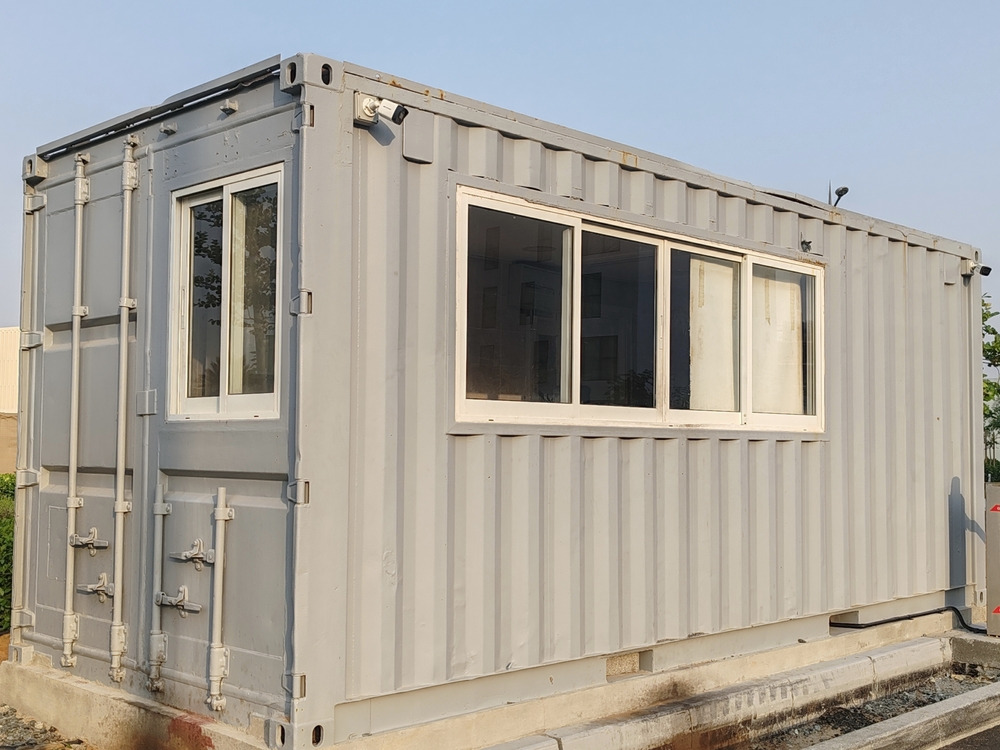
Container cabins are built for demanding environments. Made from structural steel and designed to handle the rigours of global shipping, they offer a level of strength that many temporary structures cannot match.
For project managers, procurement teams and site supervisors, however, durability is only part of the decision. Can a container cabin remain practical and comfortable over a one-, two- or three-year project? At Solid Horizon, the answer is yes, provided the right unit is selected, installed correctly and maintained properly.
What Makes Container Cabins Suitable for Long-Term Use?
Container cabins are built on a strong structural steel frame originally designed to handle heavy loads, port handling and stacked transport. This gives them greater rigidity and weather resistance than many lighter temporary structures.
Solid Horizon’s heavy-duty cabins use this robust structure to support long-term deployment on construction sites, industrial compounds and remote locations. The steel frame remains stable under sustained use and exposure to demanding site conditions.
This structural stability also helps protect doors, windows, panel joints and weatherproofing over time. When the cabin keeps its shape, it is less likely to develop leaks, gaps or recurring maintenance issues.
How Do Container Cabins Maintain Their Durability in Malaysia?
Container cabins are well suited to Malaysia’s hot, humid and rainy climate when they are built with the right protective features.
Corrosion-Resistant Steel Coating
Epoxy primer and polyurethane topcoat protect the steel structure from moisture, humidity and surface rust. This helps preserve the frame during long-term outdoor use.
High-Performance Insulation
Polyurethane foam insulation reduces heat transfer through the walls, roof and floor. By limiting heat build-up, it also reduces strain on air-conditioning systems and protects internal finishes.
Sealed Roofs and Openings
Properly sealed roofs, joints and service openings prevent rainwater from entering the cabin. This reduces the risk of leaks, mould and moisture-related damage.
Strong Structural Steel Frame
The rigid steel frame maintains the cabin’s shape under frequent use and changing site conditions. This helps doors, windows and panel joints remain properly aligned over time.
Raised and Stable Base
Positioning the cabin on a level, raised foundation keeps the base frame away from standing water. This protects the underside from corrosion and improves long-term stability.
What Maintenance Does a Container Cabin Need for Long-Term Use?
For long-term deployment, container cabins should follow a planned maintenance schedule rather than rely on repairs after problems appear.
Key maintenance tasks include:
- External Inspection and Coating Touch-Up
Check steel surfaces every six months for rust, damaged paint or early corrosion. Repair affected areas promptly.
- Roof and Sealant Inspection
Inspect roof seams, service openings and drainage points every six months. Replace cracked or worn sealant before leaks develop.
- Door and Window Seal Inspection
Check seals and frame alignment once a year to prevent water ingress and maintain thermal performance.
- Electrical Inspection
Arrange an annual inspection by a qualified electrician, especially after water exposure, impact or major site changes.
- Air-Conditioning Servicing
Service units every three to six months, including filter cleaning, refrigerant checks and drainage inspection.
- Base Frame and Drainage Inspection
Inspect the substructure annually for corrosion, movement or standing water around the cabin.
Regular maintenance helps preserve structural strength, prevent water damage and extend the cabin’s service life.
Are Container Cabins Practical for Long-Term Worker Accommodation?
Yes. Container cabins and modular systems provide a practical solution for long-term or semi-permanent worker accommodation on construction sites.
Solid Horizon’s centralized labour quarter solutions are designed to support compliance with Malaysia’s Employees’ Minimum Standards of Housing and Amenities Act 1990 (Act 446). They can include fitted sleeping areas, sanitation facilities and shared spaces that support worker comfort and welfare.
Their modular design also allows accommodation capacity to change with the project. Additional units can be added as the workforce grows or removed when fewer workers are needed, helping businesses avoid unnecessary space and manage costs more efficiently.
How Do Container Cabins Compare With Prefabricated Site Offices?
The right option depends on the required floor area, site layout, project duration and whether the facility may need to be relocated.
Container Cabins
Container cabins are a practical choice when flexibility and durability are priorities. They are:
- Structurally robust
- Easy to relocate or repurpose
- Suitable for phased projects
- Available in linked modular configurations
They work well when the office may need to move as construction progresses or be reused on another site.
Prefabricated Site Offices
Prefabricated site offices usually provide a larger continuous floor area and a more conventional office environment. They are:
- Suitable for larger project teams
- Better for meeting rooms and shared workspaces
- Ideal for long-term use in one location
- Less convenient to relocate
Which Option Is More Suitable?
Choose a prefabricated site office when maximum floor area and a permanent setup are the main priorities. Choose container cabins when the project requires a durable, flexible and relocatable solution.
Choose a Container Cabin Built to Last
For long-term site use, container cabins offer a durable, practical and cost-effective solution when they are properly specified, installed and maintained.
Since 1994, Solid Horizon has supplied cabin and container solutions to Malaysia’s construction sector, including major infrastructure and development projects. Explore our heavy-duty cabin range or speak with our team to find the right configuration for your site.
Frequently Asked Questions About Container Cabins for Long-Term Use
With appropriate maintenance, a well-specified container cabin can remain serviceable for ten years or more of active site deployment in Malaysian conditions. The key factors determining service life are the quality of the initial anti-corrosion treatment, the consistency of the maintenance programme, and the severity of the operating environment.
Yes, container cabins can be stacked to create multi-level configurations, which is useful for maximizing accommodation density on sites with a limited footprint. Stacking requires proper structural assessment and the use of appropriate interlocking and bracing systems to ensure stability and safety.
Container cabins can be relocated to a new project, returned to the manufacturer, resold or repurposed for a different use. Their structural robustness means they retain significant residual value at the end of a deployment, which is an advantage over lighter prefabricated structures that may not be economically relocatable.
Temporary container cabins on construction sites are often covered under the approvals associated with the construction project. However, requirements vary between local authorities and project types, so the applicable approvals should be confirmed before installation.
Yes. Container cabins can be fitted out for a wide range of site functions including offices, meeting rooms, first aid rooms, prayer rooms, IT facilities and storage. The internal fit-out, electrical specification and external cladding can all be customized to the requirements of the specific application.