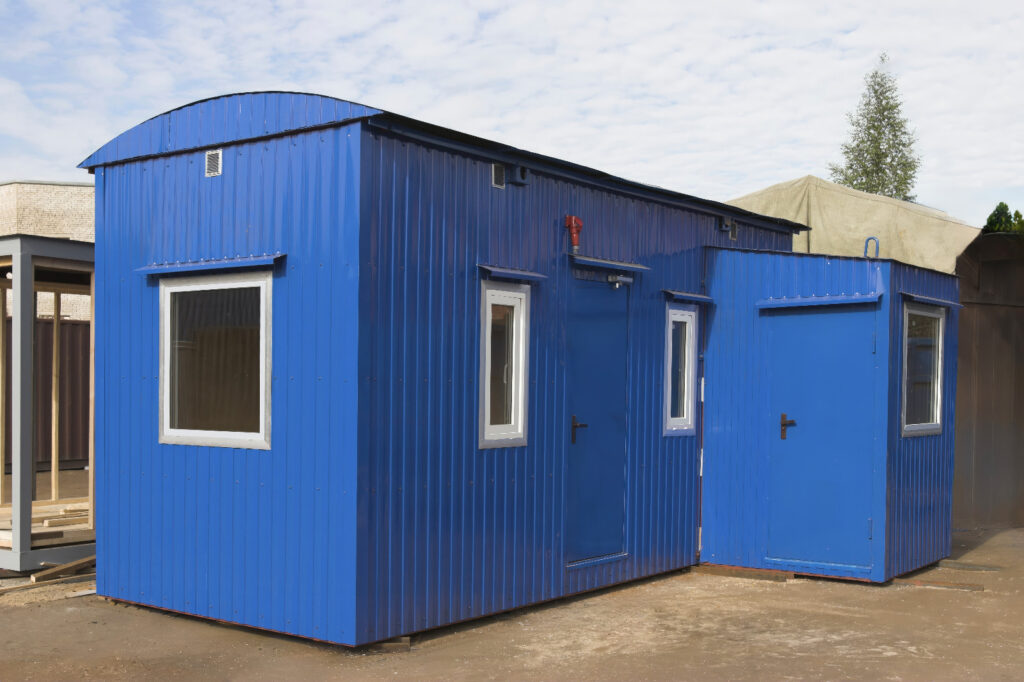
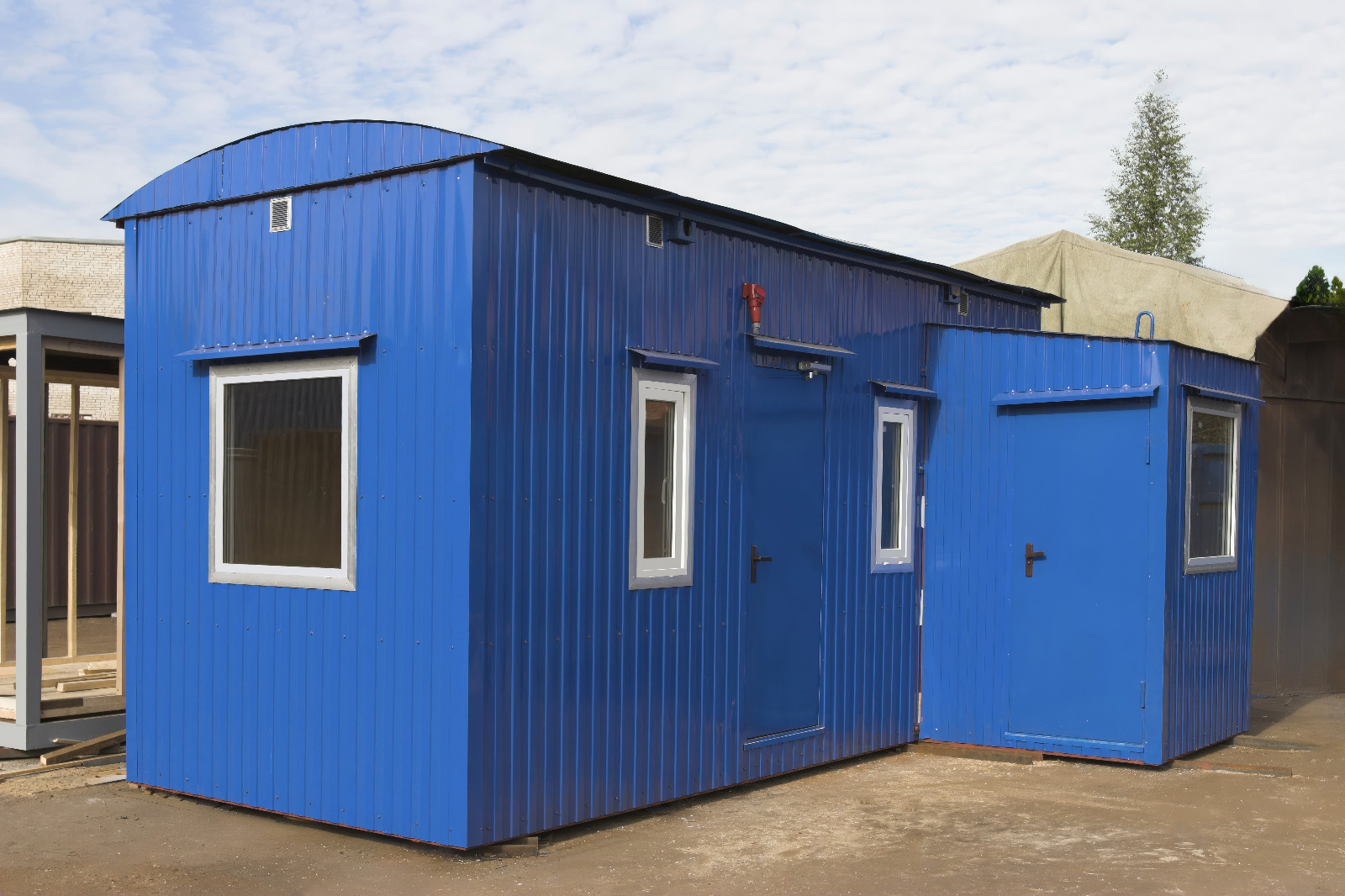
Portable cabin prices in Malaysia are influenced by several key factors, including cabin size, structural specification, insulation, customisation, transportation and installation requirements. Understanding these cost drivers helps buyers compare quotations accurately and choose a cabin that offers the best long-term value rather than simply the lowest upfront price.
Key Points
- Cabin size, duty rating and construction quality affect the base price.
- Insulation, wall panels and flooring influence comfort, durability and performance.
- Custom features such as partitions, air-conditioning, bathrooms and electrical upgrades increase the cost.
- Delivery, site access and installation requirements may add further expenses.
- Renting may suit short-term use, while purchasing can offer better value for longer projects.
- Warranty coverage and after-sales support also affect upfront and long-term costs.
1. Cabin Size and Floor Area
Cabin size is one of the main factors affecting price. Larger units require more materials, fabrication time and transport planning, especially for linked or extended configurations used as site offices or accommodation blocks.
However, cost does not always increase at the same rate as floor area. Larger cabins may offer better value per square metre, while smaller units can have a higher proportional cost because fixed components such as doors, windows, structural framing and electrical fittings are still required.
2. Duty Rating: Light Duty vs Heavy Duty
The cabin’s duty rating has a major impact on price. Light-duty cabins use lighter steel framing and simpler panel systems, making them suitable for short-term use and less demanding site conditions.
Heavy-duty cabins are built with thicker steel, stronger panels and more durable fittings. They cost more upfront but offer better structural performance, a longer service life and lower maintenance needs over time.
Choosing a light-duty cabin for a demanding application may reduce the initial cost, but it can lead to more repairs, earlier replacement or costly modifications later. The right specification provides better value throughout the cabin’s deployment.
3. Insulation Specification
Insulation affects both the upfront price and long-term performance of a portable cabin. In Malaysia’s hot and humid climate, suitable insulation is essential for cabins used as offices or accommodation.
Common options include:
- Rockwool
Rockwool provides reliable thermal and sound insulation at a more affordable price, making it suitable for standard cabin applications.
- Fibreglass
Fibreglass provides comparable thermal insulation for many applications, while rockwool generally offers better acoustic performance and fire resistance.
- Polyurethane Foam
Polyurethane foam delivers stronger thermal performance with a thinner panel profile. Although it costs more upfront, it can reduce air-conditioning demand and improve occupant comfort over time.
When comparing quotations, check the insulation type and thickness included. A lower price may reflect a weaker specification that results in hotter interiors and higher cooling costs throughout the cabin’s use.
4. Wall, Roof and Floor Panel Construction
The wall, roof and floor systems directly affect a cabin’s price, durability and overall performance. Options range from basic single-skin steel panels to insulated sandwich panels designed for better thermal and structural performance.
Higher-specification panels provide stronger insulation, greater rigidity, improved sound control and more durable finishes. Although they cost more upfront, they are often the better choice for long-term use or demanding site conditions.
5. Customization and Internal Fit-Out
A standard portable cabin usually includes basic internal wall finishes, electrical wiring, doors and windows. Any upgrades or changes to this specification will affect the final price.
Common customization options include:
- Additional Electrical Provisions
Extra power points, higher circuit capacity and data cabling can be added to support operational needs.
- Air-Conditioning Systems
Units can be installed together with the required wiring and drainage provisions.
- Internal Partitions
Separate offices, meeting rooms or storage areas can be created within the cabin.
- Upgraded Flooring
Vinyl tiles, carpet or other finishes can improve comfort and appearance.
- Bathroom Facilities
Toilets, showers and plumbing systems can be included where required.
- Security Features
Reinforced doors, security grilles and CCTV provisions can strengthen site security.
- External Finishes
Cladding and branding elements can improve the cabin’s appearance.
- Window Upgrades
Custom layouts, tinted glass or security glazing can be specified.
Solid Horizon’s customized modular construction service allows clients to select the features that match their site and operational requirements. Each upgrade is clearly itemized in the quotation, making it easier to prioritize essential features and manage the budget.
6. Transportation and Delivery Logistics
Delivery costs depend on the distance to the site, cabin size and weight, site accessibility and the equipment needed for unloading and placement. Restricted access, oversized units or cabins delivered in sections may require cranes, low-loader trailers or on-site assembly, which can increase the total project cost.
Solid Horizon reviews these requirements during the quotation stage, so transport and installation costs are clearly included from the outset.
7. Installation and Site Preparation
Installation costs cover the work needed to prepare the site, position the cabin safely and connect the required utilities.
These may include:
- Ground Preparation
The site may need levelling and compaction to provide a stable base.
- Foundation Work
A concrete plinth or steel base frame may be required to support the cabin.
- Crane Positioning
Heavy units or multi-level configurations may need specialist lifting equipment.
- Utility Connections
Electrical supply, water and drainage systems may need to be connected on site.
- Access Features
Steps, walkways and ramps can be added to improve safe access.
Sites that require extensive preparation or specialist equipment will involve higher installation costs.
8. Rental vs Purchase
Choosing between renting and purchasing depends largely on the project’s duration, budget and future operational needs. Purchasing requires a higher upfront investment, but the cabin becomes a long-term asset that can be reused across multiple projects or resold, potentially improving its overall value over time.
Renting, on the other hand, requires a lower initial outlay and is often a practical option for short-term projects. In many cases, maintenance and servicing are handled by the supplier, reducing ongoing responsibilities for the client. However, rental costs continue to accumulate throughout the hire period and may eventually exceed the cost of purchasing.
As a general guideline, purchasing often becomes the more cost-effective option for projects expected to last longer than 18 months, particularly if the cabin can be redeployed to future sites. The best choice depends on your project timeline, budget and long-term operational plans.
Get a Transparent, Accurate Quote From Our Team
Understanding what drives portable cabin costs puts you in a much stronger position to evaluate quotations, specify the right unit for your needs, and avoid the false economy of buying on price alone.
At Solid Horizon, we provide transparent, fully detailed quotations that reflect the actual specification and scope of work, so that our clients can make well-informed procurement decisions with confidence. Whether you need a single portable cabin or a large-scale modular facility, contact our team to discuss your requirements and receive a quotation tailored to your project.
Frequently Asked Questions About Portable Cabin Costs
Price variation between suppliers reflects differences in material quality, structural specification, insulation type, manufacturing standards and included services such as delivery, installation and after-sales support. A lower quotation may reflect lower-quality materials, lighter structural specification or the exclusion of costs that will be added later. Always compare quotations on a like-for-like basis by checking the specification details, not just the headline price.
Please contact our team directly to discuss the financing arrangements available for your specific procurement. We work with clients across a range of procurement structures to find an arrangement that suits the project’s financial parameters.
To receive an accurate quotation, we need information about the intended use of the cabin, the required size and fit-out, the delivery location, any access constraints at the site, and the expected deployment duration. The more detail you can provide at the enquiry stage, the more accurate and complete the quotation we can prepare.
Common costs that are sometimes not clearly stated in initial quotations include delivery and transportation, crane or forklift hire for positioning, ground preparation and base construction, electrical connection to the site supply, and any customization that was not specified at the time of quotation.
At Solid Horizon, we aim to provide fully inclusive quotations that cover all identifiable costs so that clients are not surprised by additional charges later in the project.
Yes, many aspects of a standard cabin can be upgraded after purchase, including insulation, electrical provisions, internal partitioning and air-conditioning. However, retrofitting upgrades is generally more expensive than specifying them at the outset, and some structural modifications are more practical to incorporate during manufacturing than to add afterwards. We recommend discussing your full requirements upfront to ensure the cabin is specified correctly from the start.